
- Compare agents
- Online valuation
- Explore my area
- Home toolkit
- News & guides


- Estate agents by area
- Sold house prices by area
- Estate Agent ValuationRequest an in-person valuation with an agent to discover your property's true market value.
- Online Valuation ToolGet a free instant estimate of your home's value.
- EPC CheckerFind out if your home has a valid Energy Performance Certificate.
- Listing MonitorAlready on the market? See how your online property advert is performing.
- Estate Agent Fee CalculatorSee typical local agent fees, including VAT.
- Cost of Selling CalculatorPlan your budget for agent fees, legal work and moving.
- Stamp Duty CalculatorEstimate SDLT, LBTT or LTT for your next purchase.
- Selling guides
- Estate agent guides
- Mortgage advice
- Conveyancing guides
- Property news See All News & Guides
Agent shortlist
HouseWorth
- Buying a flat above a shop: The pros and cons
Home buying tips & advice05 August 2026
Buying a flat above a shop: The pros and cons
Sam Edwards
Content Marketing Manager
Estimated reading time: 10 minutes
Table of contents
- 1. At a glance
- 2. What does buying a flat above a shop actually involve?
- 3. Pros of this type of property
- 4. Lower purchase price
- 5. Central locations and access to amenities
- 6. Period features and generous proportions
- 7. Potential rental appeal
- 8. Cons to consider
- 9. Noise
- 10. Odours and pest risk
- 11. Fire safety considerations
- 12. Access arrangements
- 13. The risk of changing commercial tenants
- 14. Getting a mortgage on a flat above a shop
- 15. Why lenders are cautious
- 16. Deposit requirements
- 17. Specialist mortgage brokers
- 18. Flat above a shop vs standard flat: key differences
- 19. What to check before you commit
- 20. Commission a detailed building survey
- 21. Review the service charge and lease terms
- 22. Understand the commercial lease below you
- 23. Check fire safety compliance
- 24. Selling a flat above a shop
- 25. References
- 26. FAQs
Buying a Flat Above a Shop: What to Know Before You Buy
At a glance
Buying a flat above a shop can offer an affordable route into home ownership, particularly in city centres and busy high streets. The purchase price is usually lower than a comparable standard flat, and these properties often come with generous room sizes. The trade-offs include noise, potential odours, fire safety considerations, and mortgage restrictions. Getting the right advice from a conveyancer and a mortgage broker who handles specialist properties is essential before committing.
What does buying a flat above a shop actually involve?
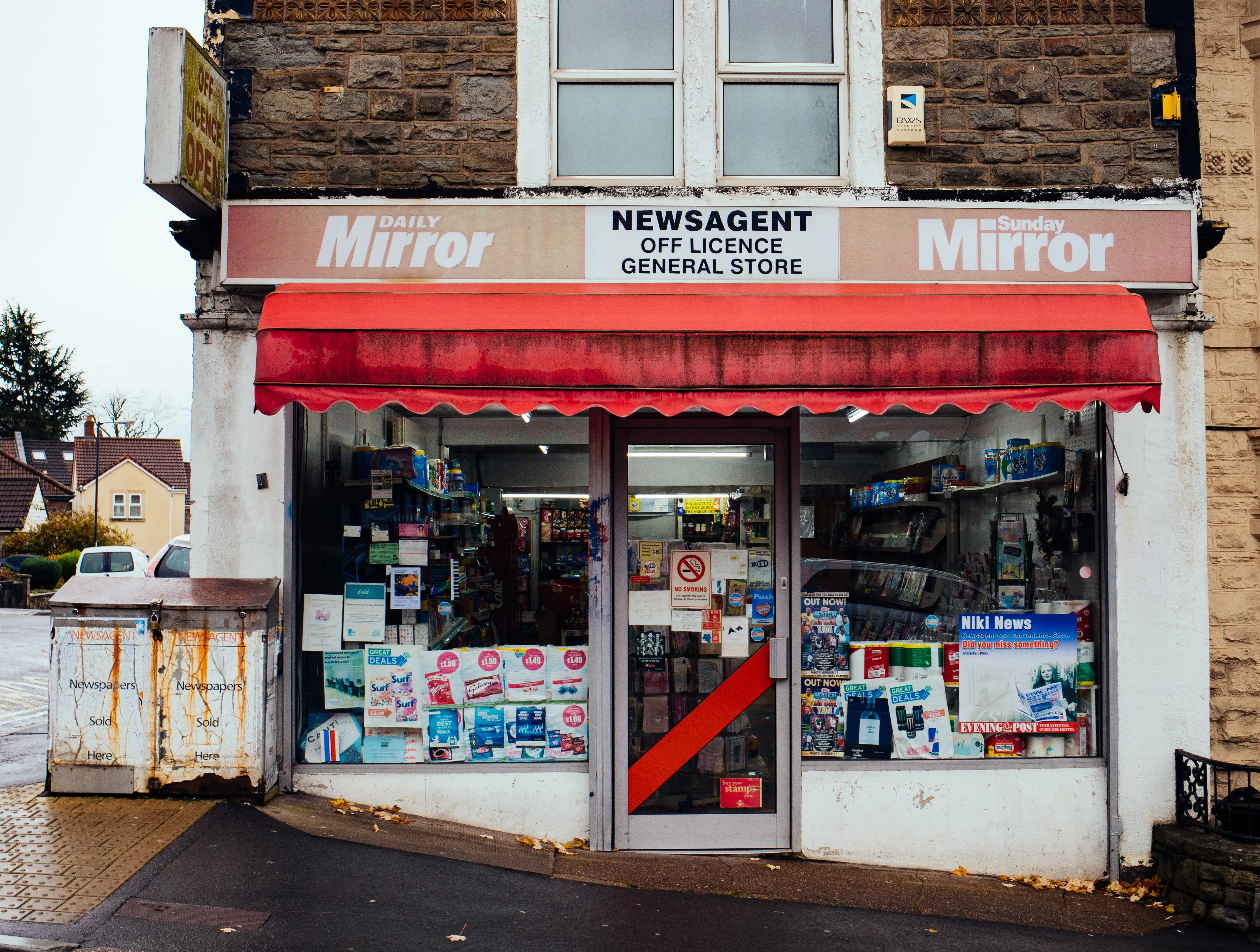
Buying a flat above a shop means purchasing a residential property that sits directly above commercial premises. The commercial use below could range from a convenience store or a pharmacy to a restaurant, takeaway or bar. The nature of that business has a significant bearing on whether the purchase is a sound decision for you personally.
In legal terms, a flat above a shop in England and Wales is almost always held on a leasehold basis. The leaseholder owns the right to occupy the property for the term of the lease, while the freeholder retains ownership of the building itself. According to the Leasehold Advisory Service (LEASE), which advises on leasehold in England and Wales, these arrangements impose obligations on both parties covering maintenance, insurance and the use of shared areas.
Because the arrangement involves both a residential and a commercial element in the same building, the legal and financial considerations are more complex than a standard flat purchase. This is why instructing an experienced conveyancing solicitor from the outset is important. You can find guidance on choosing the right conveyancer through The Law Society's solicitor directory.
Pros of this type of property
Lower purchase price
Flats above shops are typically priced below comparable residential-only flats in the same area. The reduced demand, partly driven by the mortgage complications discussed below, tends to keep prices accessible. For buyers with a limited budget, this can open up areas that would otherwise be out of reach.
If you want to understand what similar properties are achieving in your target area, comparing local agent performance is a good starting point. GetAgent's comparison tool lets you see which agents have the strongest performance selling homes in your area, including mixed-use and leasehold properties.
Central locations and access to amenities
Flats above shops are typically found in town and city centres, on high streets, or in neighbourhood shopping parades. That means the property is often within walking distance of transport links, independent retailers, cafes and green spaces. For buyers who prioritise convenience over a quiet residential street, this can be a genuine advantage.
Period features and generous proportions
A significant proportion of flats above shops in the UK occupy Victorian and Edwardian buildings. These properties frequently have high ceilings, large sash windows and well-proportioned rooms that are harder to find in purpose-built modern developments. Buyers who value character and space often find these buildings appealing.
Potential rental appeal
If you are considering letting the property, a central location can be attractive to tenants who want easy access to local amenities. That said, before assuming you can sublet, you will need to review your lease agreement carefully. Many leasehold flat leases contain subletting restrictions, and if you are in London, short-term letting of a residential property as temporary sleeping accommodation is generally limited to 90 nights per calendar year unless you have planning permission. Your conveyancer will be able to advise on the specific terms of your lease.
Cons to consider
Noise
Noise is one of the most commonly reported drawbacks. The level of disruption depends heavily on the type of business below. A bar or late-night restaurant is likely to generate more disturbance than a daytime-only retailer. Noise from delivery vehicles, bin collections, and foot traffic on the street is also a factor in central locations.
Before making an offer, it is worth visiting the property at different times of day and week. If the premises below operate in the evenings or at weekends, the noise profile will be quite different from a standard Monday-to-Friday business.
Odours and pest risk
Properties above food businesses, in particular, can be affected by cooking smells and grease. Extraction systems in commercial kitchens vary in quality, and older buildings may have limited ventilation. Pest risk is also higher near food premises, as waste storage can attract insects and rodents.
Before proceeding with a purchase, check that the property has adequate ventilation. A surveyor can assess this as part of a full building survey, which is strongly recommended for flats above shops.
Fire safety considerations
Commercial kitchens and retail stockrooms present a higher fire risk than a standard residential building. Lenders and insurers are aware of this, and it is one of the reasons why mortgages for these properties can be harder to secure.
Fire safety responsibilities can fall on different parties depending on the building, including the freeholder, managing agent, commercial occupier or other responsible person. Your conveyancer and surveyor can help you understand what documentation to request, what checks apply to the specific building and whether any fire safety works have been carried out.
Access arrangements
How you physically access your flat matters more than it might initially seem. Some properties above shops have a dedicated street entrance, while others require passing through the commercial premises or navigating a shared alleyway or rear access. Parking arrangements for residents vary significantly too.
Make sure you understand the access situation fully before exchanging contracts. Your solicitor should confirm what rights of access are included in the lease.
The risk of changing commercial tenants
Businesses below your flat may change. A quiet independent bookshop could be replaced by a busy takeaway. Commercial leases typically run independently of the residential lease above, and as a leaseholder you will generally have no say in who occupies the premises below.
It is worth checking the length and terms of the current commercial tenancy as part of your due diligence. While you may not be able to control future changes, understanding the current situation gives you a clearer picture of the short-to-medium-term outlook.
Getting a mortgage on a flat above a shop
Why lenders are cautious
Mortgage lenders assess flats above shops as higher-risk properties because they are less straightforward to sell if the lender needs to repossess. Concerns typically include:
- A smaller pool of potential buyers, which may affect resale value
- The unpredictability of the commercial tenant below
- Odour, noise and fire risk associated with food or retail businesses
- Older building stock with potential maintenance costs
These factors mean that mainstream lenders may decline applications outright, particularly if the commercial element is a restaurant, takeaway or betting shop. Loan-to-value ratios offered may also be lower than on a standard residential flat, meaning a larger deposit is typically required.
Deposit requirements
Most buyers of flats above commercial premises will need a deposit of at least 20-25% of the purchase price, though the exact figure depends on the lender and the specific property. Some specialist lenders may offer higher loan-to-value ratios in certain circumstances, but this varies.
Specialist mortgage brokers
A specialist mortgage broker who handles complex or non-standard properties can make a significant difference. They will know which lenders are likely to consider the application and on what terms, and can help you avoid wasting time with lenders who will decline at the outset.
The Money Helper service, which is backed by the UK Government, has guidance on how to find a mortgage adviser and what to expect from the process. You can also read more about specialist mortgage options on the GetAgent blog.
Flat above a shop vs standard flat: key differences
The table below summarises the main differences to consider when weighing up a flat above commercial premises against a standard residential flat.
| Factor | Flat above shop | Standard flat |
|---|---|---|
| Purchase price | Usually lower | Typically higher |
| Mortgage access | More restricted; specialist lenders often needed | Wider choice of lenders |
| Deposit required | Often 20-25% or more | Can be 10% or less depending on product |
| Noise and odour risk | Higher, depending on business below | Lower |
| Building features | Period features common; generous room sizes | Varies widely; modern builds often smaller |
| Resale demand | Narrower buyer pool | Broader appeal |
| Location | Usually central, well-connected | Varies |
What to check before you commit
Commission a detailed building survey
A detailed survey by a suitably qualified surveyor is strongly recommended for any flat above a shop. The surveyor will assess the structural condition of the building, the state of the roof and shared areas, the ventilation provision, and any visible issues with the commercial unit below.
The cost of the survey is modest compared to the potential cost of unidentified defects, particularly in older mixed-use buildings.
Review the service charge and lease terms
As a leaseholder, you will usually be responsible for contributing to service charges that cover shared maintenance, buildings insurance and the upkeep of communal areas. Commercial elements of a building can generate higher service charge costs.
It is important to review what the service charge covers and to ask for several years of accounts. Major works, such as roof replacement, are not typically the sole responsibility of the freeholder and leaseholders may be required to contribute. Your conveyancer will be able to explain the specific obligations in your lease.
Understand the commercial lease below you
Ask your conveyancer to review the commercial tenancy arrangements as part of the transaction. Understanding how long the current business is committed to staying, and what the lease terms permit, gives you a clearer sense of what the living environment is likely to be in the near term.
Check fire safety compliance
Ensure that the building has appropriate fire safety measures in place. This is particularly important where the commercial element involves cooking or food storage. Your surveyor and conveyancer can advise on what documentation to request and what obligations fall to the freeholder under current fire safety legislation.
Selling a flat above a shop
When the time comes to sell, the narrower buyer pool is a reality to plan for. Not every buyer will be comfortable with the commercial element, and mortgage restrictions will limit some buyers' ability to proceed even if they want to.
Working with an agent who has direct experience selling mixed-use or leasehold properties in your area is worth prioritising. According to GetAgent's research, over 1.2 million UK homeowners have used GetAgent to compare local agents. While a conveyancer should always advise on your legal position, an estate agent with good experience selling properties with complex histories can help ensure the process runs smoothly. You can use GetAgent's free comparison tool to identify agents with the strongest performance selling this type of property in your area.
References
FAQs
Whether purchasing a flat above a shop is worthwhile depends on your priorities and financial situation. These properties are generally priced lower than comparable residential flats, which makes them accessible for buyers with a tighter budget. They also tend to be centrally located, which suits people who want to be close to amenities and transport. The trade-offs are real, though: noise, odour, fire safety risks, and reduced mortgage availability are all factors to weigh carefully. A full building survey and independent legal advice from a conveyancing solicitor will help you understand the specific risks before committing.
Yes, mortgages are available for flats above shops, but the range of lenders willing to offer them is more limited than for a standard residential flat. High street lenders may decline depending on the type of business below. Restaurants, takeaways, and betting shops tend to attract more caution than general retail units. A specialist mortgage broker can identify lenders likely to consider your application. Buyers typically need a deposit of around 20-25% or more, though this varies by lender and property. The Money Helper service has guidance on finding a qualified mortgage adviser.
Most buyers of flats above commercial premises will need a deposit of at least 20% of the purchase price. Some lenders may ask for 25% or more depending on the type of commercial use below and the overall condition of the building. The higher deposit requirement reflects the perceived resale risk compared with a standard residential flat. A specialist mortgage broker can give you a more accurate picture once they have reviewed the specifics of the property and your financial circumstances. It is also worth factoring in survey costs, conveyancing fees and any service charge contributions when estimating your total upfront costs.
In virtually all cases, yes. Flats above shops in the UK are typically sold on a leasehold basis, meaning you purchase the right to occupy the property for the remaining term of the lease rather than owning the land or building outright. Leases on these properties commonly run from 85 to 125 years at the point of purchase. If the remaining lease term is short, this can cause additional complications with mortgage lenders and resale. It is important to check the remaining lease length and the cost of extending it before proceeding. The Leasehold Advisory Service (LEASE) provides free guidance on leasehold rights and lease extensions.
Flats above food businesses carry a higher level of risk than those above general retail. The main concerns are cooking odours finding their way into the flat if ventilation is inadequate, noise from kitchens and late-night customers, increased pest risk from food waste, and a higher fire hazard from commercial cooking equipment. Mortgage lenders often view these properties less favourably, which can affect both your ability to buy and, eventually, your ability to sell. A full building survey should assess ventilation provision specifically. Visiting the property at peak trading hours gives you a realistic sense of what living there would be like.
Potentially, but you need to check the terms of your lease agreement before assuming subletting is permitted. Many leasehold flat leases contain restrictions on subletting, and some require the freeholder's written consent. If you are in London, short-term lets are subject to a 90-day annual limit under the Greater London Council (General Powers) Act 1973, unless you have specific planning permission. If you intend to let the property on an assured shorthold tenancy, you should also ensure your mortgage (if any) is a buy-to-let product or that your residential mortgage lender has given consent to let. Your conveyancing solicitor will be able to advise on the terms of your specific lease.
A full building survey is strongly recommended. The shared structure between a residential and commercial unit introduces risks that a standard valuation or homebuyer report may not capture in sufficient detail. A RICS-regulated surveyor will assess the roof, shared access areas, any visible issues with the commercial unit below, and the adequacy of ventilation. They can also flag fire safety concerns and any major works that may be due. The cost of a full survey is modest compared to discovering serious defects after completion.
In most leasehold arrangements, the freeholder is responsible for maintaining the structure and exterior of the building, but the costs are usually recovered through service charges levied on all leaseholders, including you. This means you will typically contribute to costs such as building insurance, roof maintenance and the upkeep of shared areas. Major works, such as significant structural repairs or roof replacement, are often shared across leaseholders rather than being met entirely by the freeholder. Commercial premises in a building can generate higher maintenance costs overall. Your conveyancer will review the lease and recent service charge accounts to give you a clear picture of likely ongoing costs before you commit.
The most reliable approach is to look at agents who are actively selling leasehold and mixed-use properties in your target area. Performance data, including sale times and the percentage of the asking price achieved, gives you a clearer basis for comparison than simply choosing the agent with the lowest fee or the most prominent high street presence. GetAgent's research shows that agent performance varies significantly by area and property type. You can use GetAgent's free comparison tool to identify which agents have the strongest performance selling homes in your area, and to review their experience with leasehold and complex property types.
Thinking about
selling your home?
Picking the right estate agent is vital for a successful sale. GetAgent makes choosing simple. Discover the best performing agents in your area.
- Free
- Data-driven
- No obligation
Thinking about
selling your home?
Picking the right estate agent is vital for a successful sale. GetAgent makes choosing simple. Discover the best performing agents in your area.
- Free
- Data-driven
- No obligation

Compare estate agents
It takes 2 minutes.


Get in touch
020 3608 6556
Our lines are closed
We are a company registered in England & Wales, company number 09428979.
Copyright © 2026 GetAgent Limited