
- Compare agents
- Online valuation
- Explore my area
- Home toolkit
- News & guides


- Estate agents by area
- Sold house prices by area
- Estate Agent ValuationRequest an in-person valuation with an agent to discover your property's true market value.
- Online Valuation ToolGet a free instant estimate of your home's value.
- EPC CheckerFind out if your home has a valid Energy Performance Certificate.
- Listing MonitorAlready on the market? See how your online property advert is performing.
- Estate Agent Fee CalculatorSee typical local agent fees, including VAT.
- Cost of Selling CalculatorPlan your budget for agent fees, legal work and moving.
- Stamp Duty CalculatorEstimate SDLT, LBTT or LTT for your next purchase.
- Selling guides
- Estate agent guides
- Mortgage advice
- Conveyancing guides
- Property news See All News & Guides
Agent shortlist
HouseWorth
- Can I do my own conveyancing?
Conveyancing help and guides11 September 2026
Can I do my own conveyancing?
Rosie Hamilton
Writer & Researcher

Estimated reading time: 8 minutes
Table of contents
- 1. At a glance
- 2. What is conveyancing?
- 3. Can you do your own conveyancing?
- 4. What a conveyancer does for sellers and buyers
- 5. Why DIY conveyancing is often not worth it
- 6. The savings are smaller than they look
- 7. The protection you give up
- 8. The learning curve
- 9. The time commitment
- 10. It can complicate the wider chain
- 11. DIY conveyancing in Scotland
- 12. Getting your move off to a strong start
- 13. References
- 14. FAQs
At a glance
DIY conveyancing means handling the legal transfer of a property yourself rather than instructing a solicitor or licensed conveyancer. In England and Wales, it is legally possible, though it becomes difficult or impractical with a mortgage, a leasehold, or a property chain. The potential savings are often modest, while the legal risk and time involved are significant. For most sellers and buyers, professional conveyancing remains the safer and simpler choice.
Property transactions are expensive, so it is natural to look for ways to trim the cost. DIY conveyancing, where you take on the legal side of a sale or purchase yourself, is one route some people consider. It is possible in certain circumstances, but it carries real risk and takes far more time than most people expect. Below, we explain what conveyancing involves, when doing your own conveyancing is realistic, and why professional help is usually the safer path.
What is conveyancing?
Conveyancing is the legal term for transferring ownership of a property from one person to another. Despite a common assumption that it is mostly form-filling, there is a good deal more to it. It covers the legal, financial and administrative work that moves a home from a seller to a buyer while protecting both parties.
For a seller, that work centres on proving ownership, preparing the contract and handling the money. For a buyer, it centres on checking exactly what is being bought, from the physical condition of the property to the legal obligations that come with it. Because a home is usually the largest asset most people ever deal with, the process is designed to catch problems before they become expensive. If you want a fuller breakdown, it is worth reading how much conveyancing typically costs before deciding which route suits you.
Can you do your own conveyancing?
The short answer is that yes, in England and Wales you can carry out your own conveyancing as either a buyer or a seller. There is no law that requires you to instruct a solicitor. In practice, though, there are several situations where doing so is either very difficult or effectively ruled out.
The table below sets out the most common ones.
| Situation | Why it complicates DIY conveyancing |
|---|---|
| Buying or selling with a mortgage | Lenders usually appoint their own conveyancer to protect their interest, and many will not accept a DIY conveyancer acting on the borrower's side. You may end up paying for legal work anyway. |
| Leasehold property | Leases bring extra terms such as ground rent, service charges and restrictive covenants, plus the need to liaise with a freeholder or managing agent. Reviewing these safely takes legal training. |
| Shared ownership or government-backed schemes | These involve an additional contract and a different financial structure, which adds complexity most people are not equipped to handle alone. |
| Part of a property chain | Coordinating several linked transactions is time-consuming and demanding, and one delay can affect everyone. |
| Jointly owned, probate or other complex sales | Situations such as selling a jointly owned home, a probate sale or an unusual title often need specialist input. |
So while the answer to "can you do your own conveyancing" is technically yes, the more useful question is whether it is practical in your particular circumstances. For a straightforward, chain-free, mortgage-free sale between two people who both understand the process, it is more realistic. For almost everything else, the balance tips towards professional help.
What a conveyancer does for sellers and buyers
It helps to see the full scope of the work before taking it on. A conveyancer's role differs depending on whether you are selling or buying, though there is plenty of overlap. If you handle the process yourself, every task in the table below becomes your responsibility.
| Stage | When you are selling | When you are buying |
|---|---|---|
| Identity and funds | Confirm the buyer is legitimate and check their financial position | Provide proof of identity and evidence of funds or a mortgage offer |
| Searches | Arrange the searches the buyer's side requests | Advise on and order local authority and other searches, then interpret the results |
| Legal documents | Prepare and negotiate the draft contract and reply to enquiries | Review the contract, legal pack, Property Information Form and Fixtures and Fittings Form |
| Surveys | Respond to points raised by the buyer's survey | Assess survey findings and flag issues such as boundaries or structural concerns |
| Money | Receive funds, settle the mortgage and agent fees, pass on the balance | Transfer the deposit and balance to the seller's side |
| Land Registry and tax | Remove your name from the title on completion | Pay Stamp Duty Land Tax and register as the new owner |
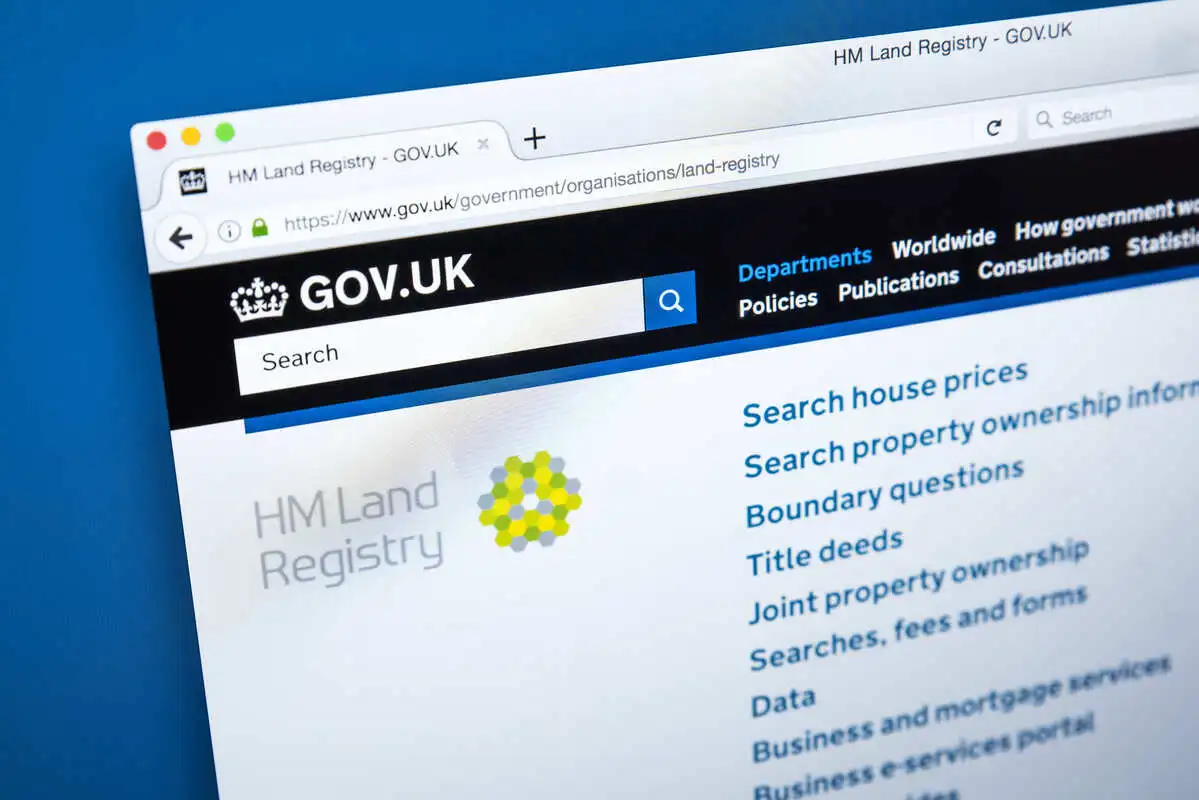
Two points are worth drawing out. First, buyers typically rely on the Law Society's Standard Conditions of Sale, which contracts refer to without setting out in full. If you do your own conveyancing, it is sensible to understand those conditions before agreeing to anything. Second, registering ownership is handled through HM Land Registry, and getting the application right matters, because errors can cause problems long after completion.
There is one more sensitivity worth naming early. If a property has missing paperwork, for example, an absent building regulations certificate, speak to a conveyancing solicitor before contacting the local authority or building control, particularly where indemnity insurance might be considered. Approaching the council directly can sometimes affect whether an indemnity policy is available, which is exactly the kind of pitfall a professional is there to help you avoid.
Why DIY conveyancing is often not worth it
The idea of DIY conveyancing usually comes down to saving money. When you look closely, the savings tend to be smaller than expected and the trade-offs larger.
The savings are smaller than they look
If you are buying, you still need to pay for searches, surveys, Stamp Duty Land Tax, Land Registry fees and other disbursements. None of those disappears when you drop the professional fee. If a mortgage is involved, the lender will usually instruct its own conveyancer at your expense. Once all of that is accounted for, what you actually save can be modest compared with the effort required.
The protection you give up
Solicitors and licensed conveyancers are required to hold professional indemnity insurance. If a mistake is made, that cover exists to deal with the consequences. Acting as your own conveyancer, you take on that risk personally. Should something go wrong, you could be left covering the cost of putting it right, or facing a claim, with no insurance behind you. For many people, that exposure alone outweighs the saving.
The learning curve
Qualified conveyancers train for years. Doing the work yourself means getting to grips with the basics of property law quickly and accurately, with little room for error. It is achievable for a determined person with a simple transaction, but it is a real commitment rather than an afternoon's reading.
The time commitment
Even once you understand the law, the work itself takes time. Ordering and reviewing searches, replying to enquiries, checking contracts and coordinating dates all add up. Even a straightforward sale can absorb many hours of focused attention, and any complication tends to multiply that.
It can complicate the wider chain
Conveyancers acting for other parties are under no obligation to guide you, and they will expect you to keep pace with the standard process. Some people who have gone the DIY route report feeling out of step with the professionals around them. If a delay on your side holds up a chain, the pressure can build quickly.
For a clearer sense of the wider journey and where each cost falls, Citizens Advice offers helpful step-by-step guidance on buying a home that sits neatly alongside this.
DIY conveyancing in Scotland
It is worth noting that this guidance applies mainly to England and Wales. Scotland has a materially different system, and the process is not simply a northern version of the same thing. In Scotland, buyers usually speak to or instruct a solicitor before submitting an offer, so funding and legal checks often happen earlier than they do further south. Solicitors also play a broader role in the transaction. As a result, doing your own conveyancing in Scotland is far less common and generally less practical, and anyone selling or buying there should take advice suited to Scottish property law rather than assuming the same rules apply.
Getting your move off to a strong start
Whether or not you use a professional for the legal side, the estate agent you choose has a large bearing on how smoothly your sale goes, especially where a property has an unusual history. A conveyancer should always advise on your legal position, but an agent with good experience selling homes with complex histories can help keep the wider process running smoothly.
Choosing that agent is easier with real numbers to hand. You can compare how agents in your area are performing on results such as how close they get to the asking price and how quickly they sell, so you can pick one whose performance justifies their fee. More than 1.2 million homeowners have used the comparison tool to find an agent that fits their sale.
References
FAQs
Yes. In England and Wales, there is no legal requirement to instruct a solicitor or licensed conveyancer, so you can carry out your own conveyancing as a buyer or seller. That said, legal and practical barriers often get in the way. Most mortgage lenders will appoint their own conveyancer and may not accept a DIY conveyancer on the borrower's side, which limits how far you can go. Scotland works quite differently and is far less suited to a DIY approach. So while DIY conveyancing in the UK is allowed in principle, whether it is realistic depends heavily on your circumstances, the type of property and whether a mortgage or chain is involved.
Less than many people assume. The professional fee is only one part of the total cost of moving. If you are buying, you still pay for searches, surveys, Stamp Duty Land Tax where it applies, Land Registry fees and various disbursements, none of which go away. Where a mortgage is involved, the lender usually instructs its own conveyancer and passes that cost to you. Once these unavoidable costs are taken into account, the net saving from doing the legal work yourself can be modest. Set against the time required and the loss of professional indemnity cover, many people conclude the saving does not justify the risk.
It is usually very difficult. When a lender is involved, it will typically appoint its own conveyancer to protect its interest in the property, and many lenders will not accept a borrower acting as their own conveyancer. In practice, this often means you end up paying for legal work regardless, without gaining the protections that come with instructing your own representative. If you are set on reducing costs, it is generally more effective to compare quotes from qualified conveyancers than to attempt the work yourself while also managing a lender's requirements. Your specific lender's conditions will determine what is possible.
It is possible but rarely advisable. Leasehold transactions bring extra layers that freehold sales do not, including ground rent, service charges, restrictive covenants and maintenance obligations, along with the need to deal with a freeholder or managing agent. The lease itself can be long and technical, and misreading it can have lasting consequences. Reviewing and drafting around these terms safely usually calls for legal training and experience. For most people buying or selling a leasehold, instructing a professional is the more sensible route, and your solicitor will advise on the specific terms of the lease you are dealing with.
There is no fixed answer, because it depends on the property, the parties and whether any complications arise. Even a simple, chain-free and mortgage-free sale can absorb many hours of focused work once you factor in ordering and interpreting searches, checking contracts, replying to enquiries and coordinating completion. Any added complexity, such as a leasehold, a chain or an unexpected legal issue, can extend that considerably. Professionals handle these tasks daily and move at a practised pace, whereas a first-time DIY conveyancer is learning as they go. It is worth being realistic about the time commitment before deciding to take it on.
The central risk is that you take on personal responsibility without the safety net professionals carry. Solicitors and licensed conveyancers are required to hold professional indemnity insurance, so if an error occurs, there is cover in place. Acting for yourself, you have no such protection, which means a mistake could leave you liable for the cost of resolving it. Beyond that, there is the risk of missing something important in a contract, a search result or a lease, which may not surface until much later. Because a home is such a significant asset, even a small oversight can have a large financial impact.
In England and Wales, you can, in principle, sell a house without instructing a solicitor, as there is no legal requirement to use one. Whether it is wise is another matter. As a seller, you would need to prepare the contract, reply to the buyer's enquiries, arrange the transfer of ownership and manage the movement of money, all while keeping pace with the buyer's conveyancer. If there is a mortgage to redeem or the property is leasehold, the task becomes considerably harder. Many sellers find that the reassurance and protection of a professional outweigh the fee, particularly when a sale is time-sensitive or part of a chain.
Yes, notably so. Scotland has its own legal system and property rules, and the process does not mirror England and Wales. Buyers in Scotland usually speak to or instruct a solicitor before submitting an offer, so funding and legal checks tend to happen earlier in the journey. Solicitors also often take a broader role than they do elsewhere in the UK. Because of these differences, DIY conveyancing is far less common and generally less practical north of the border. Anyone buying or selling in Scotland should seek advice grounded in Scottish property law rather than applying guidance written for England and Wales.
Thinking about
selling your home?
Picking the right estate agent is vital for a successful sale. GetAgent makes choosing simple. Discover the best performing agents in your area.
- Free
- Data-driven
- No obligation
Thinking about
selling your home?
Picking the right estate agent is vital for a successful sale. GetAgent makes choosing simple. Discover the best performing agents in your area.
- Free
- Data-driven
- No obligation

Compare estate agents
It takes 2 minutes.


Get in touch
020 3608 6556
Our lines are closed
We are a company registered in England & Wales, company number 09428979.
Copyright © 2026 GetAgent Limited