
- Compare agents
- Online valuation
- Explore my area
- Home toolkit
- News & guides


- Estate agents by area
- Sold house prices by area
- Estate Agent ValuationRequest an in-person valuation with an agent to discover your property's true market value.
- Online Valuation ToolGet a free instant estimate of your home's value.
- EPC CheckerFind out if your home has a valid Energy Performance Certificate.
- Listing MonitorAlready on the market? See how your online property advert is performing.
- Estate Agent Fee CalculatorSee typical local agent fees, including VAT.
- Cost of Selling CalculatorPlan your budget for agent fees, legal work and moving.
- Stamp Duty CalculatorEstimate SDLT, LBTT or LTT for your next purchase.
- Selling guides
- Estate agent guides
- Mortgage advice
- Conveyancing guides
- Property news See All News & Guides
Agent shortlist
HouseWorth
- What is a mews house?
Estimated reading time: 10 minutes
Table of contents
- 1. At a glance
- 2. What does 'mews' mean?
- 3. What is a mews house?
- 4. Why were mews houses built?
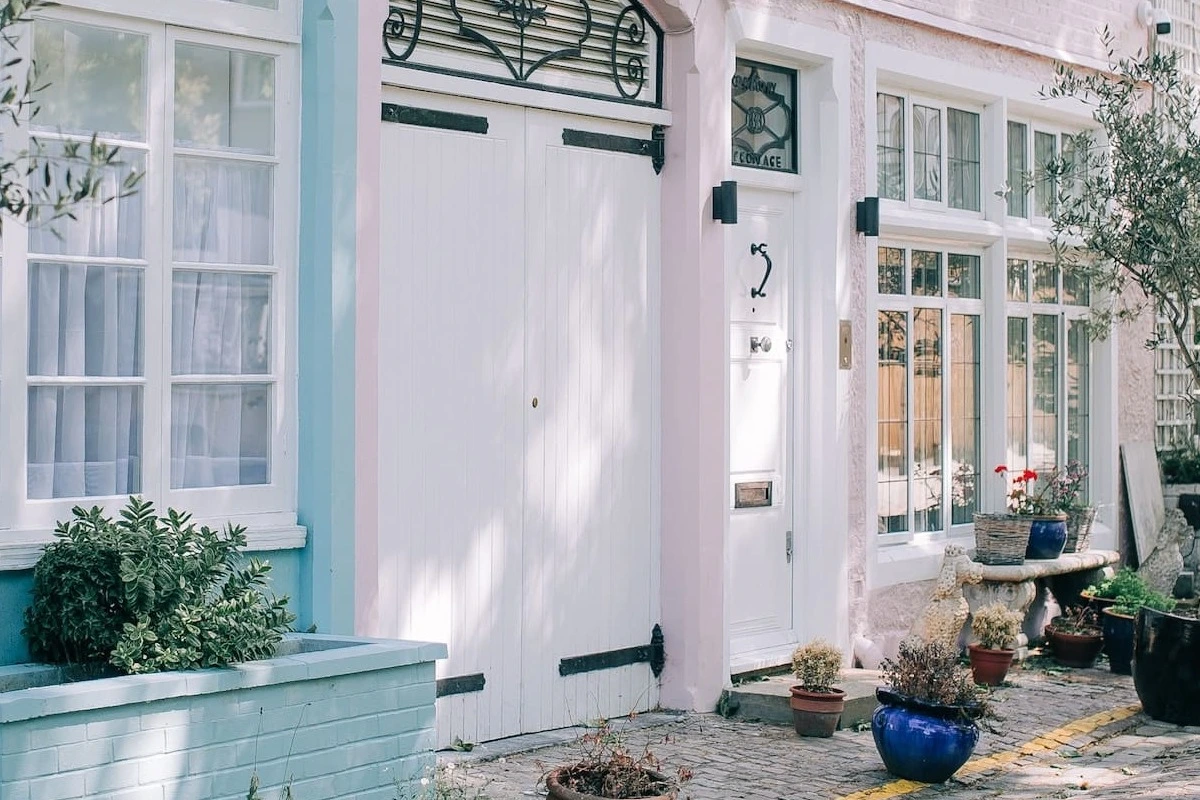
- 5. What do mews houses look like?
- 6. Are mews houses expensive?
- 7. Why have mews houses grown in popularity again?
- 8. Mews houses and tenure: leasehold or freehold?
- 9. Where are the UK's most iconic mews houses?
- 10. Buying or selling a mews house
- 11. References
- 12. FAQs
At a glance
A mews house is a period property converted from the stables and coach houses that once served grand Georgian, Victorian and Edwardian townhouses. Usually found on quiet, cobbled lanes in central London and other historic cities, mews houses are compact, characterful homes valued for their charm and central locations. Most are two or three storeys, and they may be sold as leasehold or freehold depending on the property.
Browsing property listings can throw up plenty of unfamiliar terms, and 'mews' is one that catches many buyers out. So what is a mews house, and why do these compact period homes attract such loyal interest? This guide explains the mews meaning, how these properties came to be, what to look for when viewing one, and what to keep in mind if you plan to buy or sell a mews house in 2026.
What does 'mews' mean?
At its simplest, a mews is a cobbled, largely traffic-free street usually found to the rear of Georgian, Edwardian or Victorian houses. Though the largest concentration sits in London, mews streets appear in many places with a strong British architectural influence, including parts of Wales, Scotland and Ireland, as well as several cities overseas.
The word originally described the lane and its buildings rather than a single home. Over time, as those buildings changed use, 'mews' came to describe both the street and the converted properties that now line it. For a fuller architectural definition, the industry reference site Designing Buildings provides useful background on how the term is used today.
Where the word comes from
The mews meaning has a curious history. It is often traced back to the Royal Mews at Charing Cross, a set of royal stables established in the late 14th century. The name is thought to derive from 'mewing', an old term for the moulting of hawks and falcons once kept there, which in turn comes from the French word 'muer', meaning to moult.
As London grew, 'mews' shifted in meaning. By the 18th century it referred to the cobbled service streets built behind grand townhouses, lined with stables and coach houses. Only much later did the word come to describe a style of home.
What is a mews house?
A mews house is a residential dwelling that was originally built as a stable or coach house and later converted for living. Over roughly the past century, many of these working buildings have been transformed into homes. A typical mews house is a compact, two-storey or three-storey property set on a private, often cobbled street.
Because they began life sheltering horses and carriages, mews homes usually have a generous ground floor, with smaller rooms arranged above. That distinctive layout is part of what gives them their character, and it is one of the first things to understand when working out what a mews house is and whether one might suit you.
Why were mews houses built?
As London expanded westwards through the 18th and 19th centuries, stately homes appeared in areas such as Kensington and Mayfair. Wealthy homeowners needed space nearby for their horses, carriages and household staff, and mews streets were a fashionable answer.
On a quiet lane to the rear of the main house, coach drivers and stable staff could live in modest quarters above the carriage houses and stables below. Traditionally, passages sometimes ran beneath the mews buildings through to the main property's gardens, allowing staff to move to and from the house without disturbing the owners. These practical origins still shape how many mews homes look and feel today.
What do mews houses look like?
Mews properties share several recognisable traits, though each home is different. The table below summarises the features buyers most often encounter.
| Feature | What to expect |
|---|---|
| Layout | Typically two or three storeys, with a larger ground floor that once housed horses and carriages |
| Street | Often quiet, cobbled and private, with limited through-traffic |
| Parking | On-street parking is frequently restricted, though some homes have been adapted with garages |
| Outdoor space | Many have little or no garden, though some include a courtyard or roof terrace |
| Architecture | Period details such as sash windows, arched doorways and decorative brickwork are common |
| Tenure | Sold as leasehold or freehold, depending on the property |
Cosy, compact interiors
Because of their humble origins, many mews houses are known for snug, characterful living spaces. The ground floor is usually the largest area, having once sheltered horses and carriages, with smaller rooms along the upper floors. In London, mews homes are often accompanied by quiet cobbled streets, though this is not the case everywhere.
Charming period architecture
Mews houses frequently display appealing architectural detail, from decorative brickwork and arched doorways to sash windows, reflecting the period in which they were built. Many evoke Georgian, Victorian or Edwardian influences, and this heritage character is a large part of their draw.
Parking and outdoor space
Owing to their past role as service buildings, most mews properties have little or no garden. For some buyers this is a drawback, while others happily accept it in exchange for a distinctive home close to the city centre.
Mews streets are often private, with on-street parking generally restricted. To compensate, some mews homes have been renovated to include a garage, allowing for off-street parking. Whether the lack of a garden or driveway matters will depend on how you want to live.
Windows and natural light
Traditionally, mews properties often had few windows at the rear, a deliberate choice to protect the privacy of the grand house and its gardens. Over time, many mews homes have been significantly renovated, and rear windows have become far more common in modern conversions, improving natural light and outlook.
Are mews houses expensive?
Mews houses often sit at the higher end of the market. Their proximity to city centres, cosy aesthetic and narrow cobbled lanes have long appealed to buyers, and limited supply tends to support values. Prices vary widely by area, size and condition, so it is difficult to put a single figure on them.
Rather than relying on asking prices, which can differ from what a home eventually sells for, it is worth checking recorded sold prices. HM Land Registry lets you look up the actual prices paid for properties on a given street, which offers a more reliable picture of the local market than headline listings on the major property portals.
Why have mews houses grown in popularity again?
In the early to mid 20th century, demand for mews houses fell as motor cars replaced horses and carriages, leaving stables and coach houses largely redundant. Toward the end of the century, however, interest returned. A few factors help explain the shift.
A change in demand
The latter half of the 20th century saw tastes change as buyers increasingly valued smaller, well-located homes. Mews houses, with their characterful interiors and quiet streets, became a sought-after option for those wanting to live close to the heart of a city.
Renewed interest and renovation
As central neighbourhoods saw renewed investment, many mews buildings were sympathetically renovated and modernised. Their potential for conversion into stylish, practical homes made them appealing to a new generation of buyers, and areas with mews streets have seen growing buyer interest as a result.
Appreciation of heritage
There is a certain old-world charm to a mews home. Despite their practical origins, these quaint properties are reminiscent of a time gone by, and that sense of history can feel all the more compelling in a busy, modern setting.
Mews houses and tenure: leasehold or freehold?
Tenure is one of the most important things to understand before buying any period property, and mews houses are no exception. Many are sold as leasehold, which means you own the property for the term set out in the lease, while a freeholder retains ownership of the land and often responsibility for the wider building or estate.
Leasehold terms vary. The length of a lease can range widely, and the agreement usually sets out the rights and responsibilities of both the leaseholder and the freeholder, covering matters such as ground rent, service charges and maintenance. That said, some mews homes are sold as freehold, particularly where a property has been separated or converted over the years.
Because tenure affects your rights, costs and long-term plans, it is worth reviewing the terms carefully before you commit. A conveyancing solicitor can explain what a specific lease or title involves. If you are selling a leasehold home, our guide to selling a leasehold property walks through the process in more detail.
Where are the UK's most iconic mews houses?
As noted, London has the highest concentration of mews houses, with central and western areas among the most common. The table below highlights some of the best-known locations.
| Area | Borough | Known for |
|---|---|---|
| Knightsbridge | Westminster | High-end homes with mews tucked into private enclaves |
| Kensington | Kensington and Chelsea | Mews-lined streets around South Kensington and Holland Park |
| Notting Hill | Kensington and Chelsea | Colourful houses and characterful mews lanes |
| Mayfair | Westminster | Quiet lanes and squares among prestigious addresses |
| Marylebone | Westminster | Converted mews homes on a sought-after residential grid |
| Primrose Hill | Camden | Mews nestled around Primrose Hill Park |
| Hampstead | Camden | Period properties and mews around Hampstead Village |
One of the most charming examples is Pickering Place in the St James's area of Westminster, among the smallest public squares in London and one of the oldest mews sites in the country. Many mews developments were built close to grand townhouses, which in turn often sit near notable landmarks, so exploring the surrounding streets can be rewarding in its own right.
Buying or selling a mews house
A mews house is a distinctive property, and distinctive homes benefit from an agent who understands the local market well. Because most mews homes are concentrated in London, it helps to work with an agent whose results show they sell homes effectively in your area, rather than choosing on price alone.
According to GetAgent's research, the average estate agent fee in London is around 1.7%, compared with a UK average of 1.18% plus VAT, which works out at 1.42% including VAT. Homes in London also take longer to go under offer than in many other cities, at around 17 weeks on average. The table below sets out how London compares.
| Measure | UK average | London average |
|---|---|---|
| Estate agent fee | 1.18% + VAT (1.42% incl. VAT) | 1.7% |
| Time to go under offer | Varies by area | Around 17 weeks |
For a home as individual as a mews house, the right agent is the one whose performance justifies their fee, someone with genuine experience selling characterful period properties in your neighbourhood. You can compare local estate agents by real performance data on GetAgent, including average sale times and the percentage of asking price achieved, to see which agents have the strongest performance selling homes in your area. Over 1.2 million UK homeowners have used GetAgent to help make that decision.
References
FAQs
A mews house is a home that was originally built as a stable or coach house behind a grander townhouse, then later converted for residential living. In the 18th and 19th centuries, wealthy families kept horses, carriages and staff in these buildings, which sat on quiet lanes to the rear of the main property. Over the past century, many were transformed into compact, characterful homes. Today a mews house is usually a two-storey or three-storey property on a cobbled, often private street, valued for its charm and central location. Most are found in London, though similar properties exist in other historic UK cities.
The meaning of 'mews' traces back to the Royal Mews at Charing Cross, a set of royal stables established in the late 14th century. The name is thought to come from 'mewing', an old word for the moulting of hawks and falcons once housed there, which itself derives from the French 'muer', meaning to moult. Over time, 'mews' came to describe the cobbled streets of stables and coach houses built behind grand townhouses, particularly in London. Today the word usually refers either to those historic lanes or to the converted homes that now line them, so context matters when you see it used.
Many mews houses have little or no garden, which reflects their origins as working stables and coach houses rather than family homes. Outdoor space tends to be limited, though this varies from property to property. Some mews homes include a small courtyard, a roof terrace or a shared communal area, and others sit close to public parks and garden squares that offer green space nearby. If a private garden matters to you, it is worth checking each listing carefully, as layouts differ widely. An estate agent who knows the local area can help you understand what outdoor space a particular mews home offers.
Not necessarily. Many mews houses are sold as leasehold, which means you own the property for the length of the lease while a freeholder retains ownership of the land and, often, responsibility for the wider building or estate. That said, some mews homes are sold as freehold, particularly where a property has been separated or converted over time. Because tenure affects your rights, costs and responsibilities, it is worth reviewing the terms carefully. A conveyancing solicitor can explain what a specific lease or title involves, including any ground rent, service charges or restrictions, before you commit to a purchase.
Mews houses often sit at the higher end of the market, largely because of where they are located. Their strongest concentration is in central and west London, in sought-after neighbourhoods close to shops, restaurants and green spaces. Their period charm, cobbled streets and relative scarcity add to their appeal, and limited supply tends to support prices. Values vary widely by area, size and condition, so it is difficult to generalise. To get a realistic sense of pricing for a particular street, you can check recorded sold prices through HM Land Registry, which offers a more reliable picture than asking prices alone.
Parking depends heavily on the specific property and street. Many mews lanes are private and quiet, with on-street parking restricted or not permitted, partly to preserve their character and partly because the streets are narrow. Some mews homes have been adapted over the years to include a garage or off-street space, which can be a valuable feature in a central location. Others rely on nearby permit parking or public car parks. If parking is important to you, it is worth confirming the arrangements for each property, as they vary from one mews to another. A local estate agent can help clarify the options.
Whether a mews house suits you depends on your priorities. Many people are drawn to their character, quiet streets and central locations, which put shops, culture and transport within easy reach. The compact layouts can feel cosy and manageable, and the period detail is a genuine draw. On the other hand, limited outdoor space, restricted parking and the practicalities of an older building may be less well-suited to some households, particularly families seeking a large garden. Viewing several properties and speaking to people who know the area can help you decide whether a mews home fits how you want to live.
While London has by far the highest concentration of mews houses, they are not unique to the capital. Similar cobbled streets and converted stable buildings can be found in other historic UK cities and towns, including parts of Edinburgh, as well as places with strong Georgian, Victorian or Edwardian heritage. Mews-style streets also appear in Wales, Ireland and some cities influenced by British architecture overseas. Outside the most established areas, the term is sometimes used more loosely by developers for modern homes built in a similar style. Checking the history and layout of a property helps you understand whether it is a true converted mews.
How much
is your home worth?
It’s always worth knowing the value of your home. Discover the price of your property with an instant valuation. GetAgent tracks the figures, so you don’t have to.
How much
is your home worth?
It’s always worth knowing the value of your home. Discover the price of your property with an instant valuation. GetAgent tracks the figures, so you don’t have to.

Compare estate agents
It takes 2 minutes.



Get in touch
020 3608 6556
Our lines are closed
We are a company registered in England & Wales, company number 09428979.
Copyright © 2026 GetAgent Limited